Updated September 2, 2026
Why Japanese Companies Ask for 'Bilingual' Candidates When They Actually Want 'Bicultural'

Ujjwal Mishra
Founder, JapaneseResume.com
Key Takeaways
The Core Issue: Japanese employers advertise for "bilingual" staff but filter candidates based on "biculturalism" (knowledge of local workplace norms).
The Application Trap: Sending a single Western CV causes HR to drop your application for lacking basic corporate etiquette (shakaijin no mashiki).
The Solution: Use standard Rirekisho and Shokumu-keirekisho formats, practice Nemawashi (pre-meeting alignment), and adopt Horenso (frequent reporting).
If you look at almost any mid-career job posting in Tokyo, you will see "bilingual required" listed near the top. Yet thousands of professionals pass high-level JLPT exams, submit applications, and still hit a wall, whether that means total silence from HR or feeling stuck once they get hired.
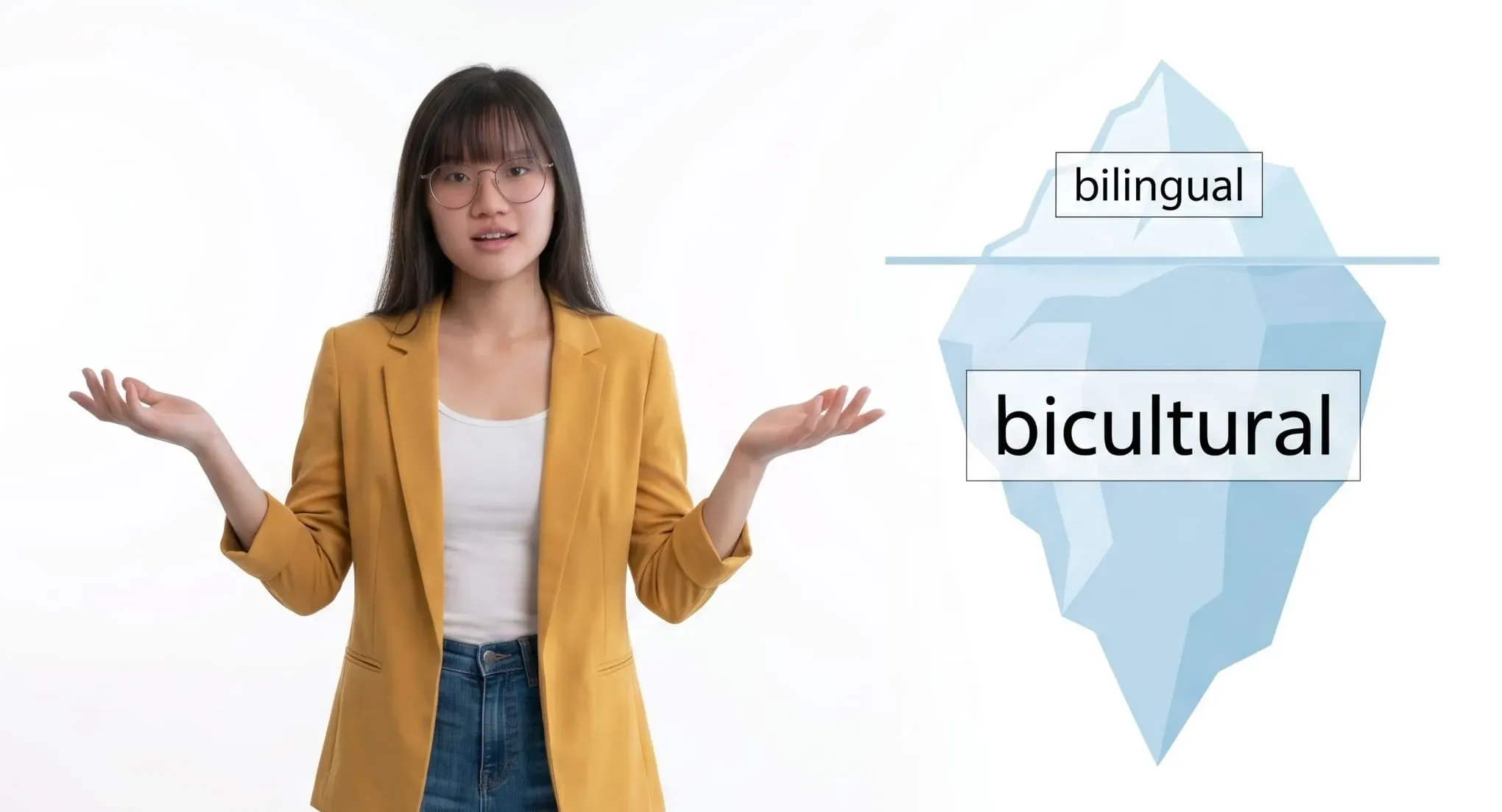
Having spent nearly a decade in Tokyo, first navigating my own job hunt as an expat and later hiring tech talent from the executive side, I have learned that language ability is only half the equation. Japanese companies advertise heavily for "bilingual" candidates, but what actually determines whether you get hired, and how far you advance, is whether you are bicultural.
Language fluency gets your foot in the door; cultural alignment is what allows you to step inside and build long-term influence. Being bicultural is not about giving up your identity. It is simply about understanding the unwritten operational rules of the Japanese workplace at every stage of your career.
Why Western Resumes Fail in Japanese Job Applications
The cultural test begins long before you ever sit down for an interview. When you apply with a standard Western CV, even if it is translated cleanly into Japanese, local HR managers often struggle to process it. They expect your background split into two specific documents: a Rirekisho (a standardized personal profile) and a Shokumu-keirekisho (a detailed work history).
When those are missing or formatted incorrectly, HR does not assume you prefer a modern layout. They assume you lack basic business etiquette (shakaijin no mashiki). You get filtered out before anyone evaluates your actual technical skills.
6 Unwritten Japanese Business Etiquette Rules for Expats
If you do land the offer, the filter simply shifts to daily operations. Long-term career growth in Japan rarely hinges on who uses the most complex vocabulary. It goes to professionals who understand local corporate dynamics:
- Win consensus before the meeting (Nemawashi): Debating aggressively during a group call is not seen as sharp; it signals a disruption to team harmony. Walk key stakeholders through your ideas one-on-one days before a presentation so the formal meeting becomes a smooth final approval.
- Over-communicate progress (Horenso): Working in a silo for weeks to deliver a polished product creates anxiety for managers. Share rough drafts early and often. Showing your process builds trust much faster than a surprise final deliverable.
- Decode the soft "No": Phrases like "that might be a bit difficult" are clear rejections driven by risk management. Instead of pushing harder, identify the specific operational risk your manager is worried about and help them solve it.
- Read the room, not just the words (Kuuki wo yomu): Japanese business conversations rely heavily on unspoken context. If a room falls silent after your proposal, people rarely need time to digest your genius. It usually means something felt uncomfortable or off-target. Pay attention to hesitations, body language, and pauses before pressing your point.
- Frame wins around the collective, not personal triumph: In Western offices, claiming sole credit is often seen as standing out. In Japan, it can make you look individualistic and hard to trust. Always highlight team contributions and cross-functional support. Executives back leaders who bring everyone along with them.
- Treat documentation as risk coverage, not red tape: Japanese approval procedures and written proposals (Ringisho) can feel painfully slow. In reality, detailed documentation protects your team from individual blame if something goes sideways. When you provide thorough paperwork, you give your manager the exact safety net they need to approve your project.
How to Format Your Resume for Japanese HR Managers
Building bicultural fluency takes time, but showing local teams that you respect their workplace culture can start immediately with how you present yourself on paper.
If you are navigating the job application phase right now, check out JapaneseResume.com.
We built it to eliminate the formatting barrier entirely. When you apply with a Western-style CV (even translated), local managers struggle to review it because they expect a proper Rirekisho and Shokumu-keirekisho. When those are missing, HR often assumes you do not know local corporate etiquette and moves on.
You can upload your English CV, and the platform converts your background into authentic, properly formatted Japanese documents in minutes. It saves you from struggling with local Excel templates or getting lost in unwritten resume rules.
You have already put in the hard work to learn the language. Don't let document formatting be the reason your career progress gets cut short before it even starts.
Frequently Asked Questions
Is JLPT N1 enough to get a job in Japan?
Language certification proves reading ability, but Japanese hiring managers prioritize cultural alignment (biculturalism) and proper document formatting (Rirekisho and Shokumu-keirekisho) over test scores.
What is the difference between a Western CV and a Japanese resume?
A Western CV combines personal info and work experience into one narrative document. Japanese hiring requires two separate documents: a Rirekisho (personal history) and a Shokumu-keirekisho (detailed work history).
Why do Japanese companies care about biculturalism?
Local companies rely on unwritten workplace practices like consensus building (Nemawashi) and frequent progress updates (Horenso). Employers screen for bicultural candidates to ensure low operational risk and team harmony.
Ujjwal Mishra
Founder, JapaneseResume.com
Ujjwal is the creator of JapaneseResume.com and Founder of Nihon Code. A Tokyo Institute of Technology alumnus and former COO of Tokyo Techies, he has spent nearly a decade scaling tech operations and hiring global talent in Tokyo. Having sat on both sides of the table, navigating his own early job hunt as an expat and later reviewing hundreds of applications as an executive, he provides insider, battle-tested advice on what Japanese hiring managers actually look for.